

ABOVE: H5N1 positive birds in Australia.
AUSTRALIA entered a new phase of avian influenza preparedness on June 20, 2026 when authorities confirmed the first mainland detection of highly pathogenic H5N1 avian influenza in a wild bird in southern Western Australia. The virus was identified in a dead brown skua near Cape Le Grand National Park, east of Esperance, with a second seabird – a giant petrel – also testing positive. This was the first confirmed detection of the globally circulating H5N1 clade that has caused extensive losses in poultry and wildlife overseas, with another detection confirmed in South Australia on June 24.
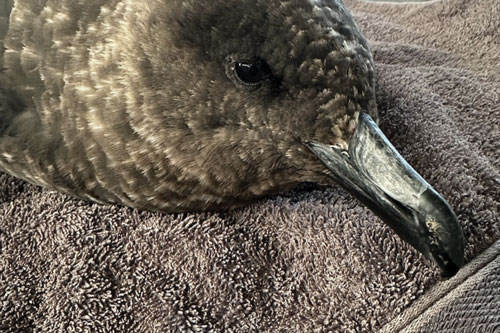
The brown skua migratory bird that later died of H5N1 AI, pictured at Esperance Wildlife Hospital.
Key points for poultry producers
What has been detected?
The virus detected is highly pathogenic H5N1 avian influenza, the same lineage responsible for major outbreaks across Europe, North America, South America, Asia and Antarctica since 2021. Until now, mainland Australia had remained free of this strain. The detection occurred in wild seabirds, not commercial poultry.
Is poultry infected?
As of June 25, 2026:
- No infections have been detected in commercial poultry flocks
- No infections have been reported in backyard poultry
- Authorities have found no evidence of spread into Australia’s poultry industries
- No unusual poultry mortality events linked to H5N1 have been reported.
Why is this important?
Though the current detection is confined to wild birds, H5N1 has caused devastating poultry outbreaks overseas, often leading to large-scale depopulation programs, trade disruptions and production losses. Australia’s poultry industry has been preparing for this event for several years through surveillance, biosecurity upgrades and emergency response exercises.
Current government response
Federal and state governments activated established H5 preparedness plans immediately following confirmation. Measures include:
- Increased surveillance of wild birds and poultry
- Enhanced testing around the detection area
- Coordination between federal, state and industry biosecurity agencies
- Ongoing tracing and monitoring of potential wildlife spread pathways
- Preparedness arrangements for rapid containment should poultry become infected.
The Federal Government has stated that more than $113 million has been invested in H5 preparedness activities in recent years, including surveillance, response planning and biosecurity measures.
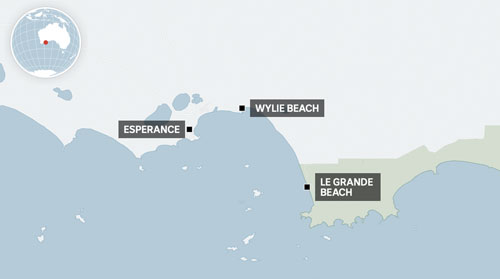
The infected brown skua was found on Le Grand Beach and a giant petrel on Wylie Beach.
Biosecurity actions producers should implement immediately
The risk to poultry remains low but has increased following confirmation of H5N1 on the mainland. Producers should:
- Restrict contact between poultry and wild birds
- Ensure sheds, feed storage and water supplies are protected from wild bird access
- Minimise standing water that attracts waterfowl
- Strengthen visitor and vehicle
biosecurity controls - Review staff procedures for cleaning and disinfection
- Monitor flocks closely for clinical signs
- Report unusual mortality or disease immediately.
Signs that require immediate investigation
Report immediately if birds show:
- Sudden increases in mortality
- Sharp drops in feed or water consumption
- Severe respiratory signs
- Swelling of the head, comb or wattles
- Nervous signs
- Significant reductions in egg production.
Western Australian guidance notes that mortality exceeding 0.5 percent per day for three consecutive days, persistent respiratory disease or neurological signs should trigger urgent veterinary investigation.
Market and trade implications
There are currently no restrictions on poultry products arising from this wildlife detection. Australia’s poultry and egg industries remain free from H5N1 infection. However, industry participants should expect heightened surveillance, increased reporting requirements and close scrutiny from trading partners while authorities assess whether the virus has spread beyond the initial detection area.
Human health considerations
The public health risk remains low. Human infections are rare and generally occur after close contact with infected birds or contaminated environments. Poultry meat and eggs remain safe to eat when handled and cooked properly. Producers and farm staff should continue using appropriate personal protective equipment when handling sick or dead birds.
Bottom line
The confirmation of H5N1 in wild seabirds in Western Australia and South Australia is a significant biosecurity event because it marks the first mainland detection of the globally circulating highly pathogenic strain. At present, the virus has not been detected in commercial poultry or backyard flocks but the risk environment for Australian poultry producers has changed. Enhanced biosecurity, rapid disease reporting and close flock surveillance are now critical to protecting Australia’s poultry industry from potential spread.
For more information, visit the DAFF website.